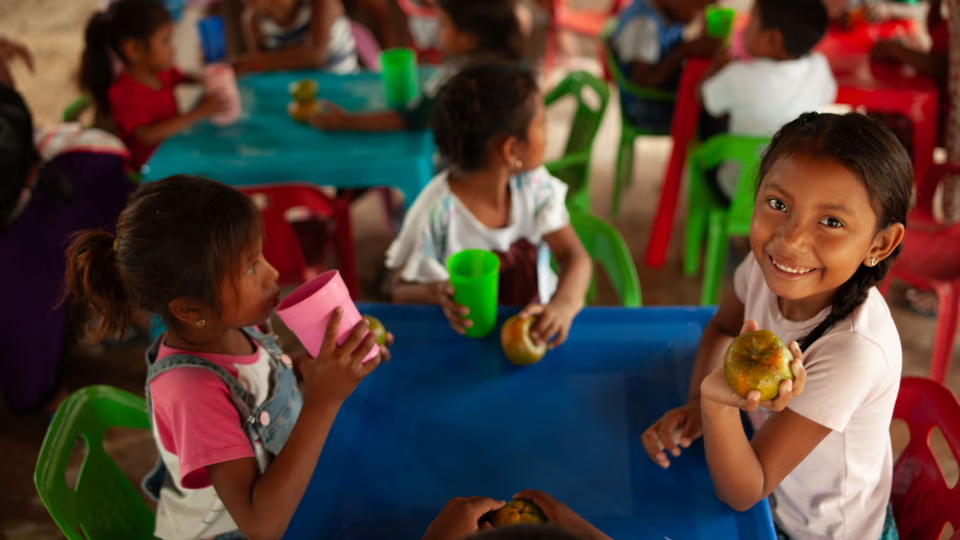
How Food Banks Support Children’s Development During Challenging Times
Families may experience severe strain during challenging times, particularly if unforeseen circumstances, job loss, or unstable finances hamper access to dependable meals. These difficulties may impact children’s health in ways that go well beyond their physical well-being. Emotional equilibrium, intellectual achievement, and general development are all impacted by hunger. Food banks and other community assistance networks are crucial for this reason. Organizations like a Denver food pantry help children stay strong, focused, and optimistic by providing them with caring support and regular sustenance when they need it most.
Providing Families With Dependable Nutrition When They Need It Most
The cornerstone of a child’s health is a consistent supply of wholesome meals. Families may find it challenging to maintain pantries full of well-balanced meals during stressful times, leaving kids susceptible to exhaustion, anger, or trouble focusing. Food banks help close this gap by making sure that families in need have access to nutritious basics, fresh vegetables, and kid-friendly products. Despite outside demands, children’s immune systems are supported, their energy levels are maintained, and they remain prepared to study thanks to this consistent source of nutrients.
Maintaining Children’s Academic Strength During Difficult Times
Academic achievement and nutrition are more closely related than most people think. Children who come to school hungry may find it difficult to concentrate, remember material, or participate in class activities. By ensuring that kids have the fuel they need to start and finish their days, food banks promote learning. To keep young brains active, several programs include breakfast assistance, after-school snacks, and weekend food packages. These programs enable kids to continue making progress with confidence by preventing a drop in academic achievement during challenging times.
Promoting Social And Emotional Welfare
Children may experience severe emotional stress as a result of food insecurity. Concern or withdrawal might result from worrying about whether there will be enough food at home, particularly if kids perceive that their parents are also experiencing concern. Food banks provide more than just food. They provide comfort. Families may breathe better knowing that assistance is accessible, and children are also relieved. When resources are available, there is less conflict in the home, which makes children feel safer and supported. Numerous food banks also provide domestic necessities or personal care products, assisting families in restoring a sense of routine that soothes kids during stressful situations.
Assisting Parents In Creating Stability For Their Kids
During challenging times, parents often manage many issues at once, such as unforeseen costs and financial hardship. Food banks alleviate this load by providing wholesome meals, one of the most essential needs. Parents might reallocate scarce finances to housing, utilities, or educational necessities when they are able to depend on food bank services. Children live in a more stable environment as a result, with fewer chances of interruptions from frequent transfers, school changes, or electricity outages. Children’s everyday lives are healthier and more predictable as a direct result of the assistance parents get from food banks.
Developing Community Links To Help Children
Food banks support the development of a community care network that helps families get through difficult times. In order to guarantee that no kid goes hungry, volunteers, donors, and partner organizations collaborate. Children learn important lessons about compassion, charity, and connectedness from this feeling of communal support. These networks serve as a reminder to children that their community is concerned about their future and well-being during trying times. Children who grow up in stronger communities are more resilient because they know they have support when they face obstacles in life.
Conclusion
Food banks provide more than just sustenance. They provide kids who are going through tough times security, emotional support, academic help, and a feeling of community. Food banks assist in ensuring that every kid has the opportunity to flourish, learn, and develop by easing the burdens that families bear. They shape better futures for young people who deserve every chance to thrive, and their influence goes well beyond nutrition.